


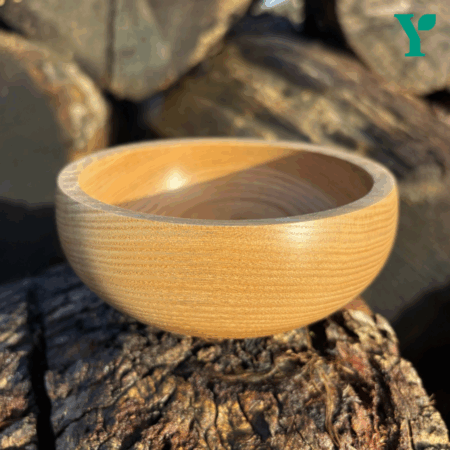
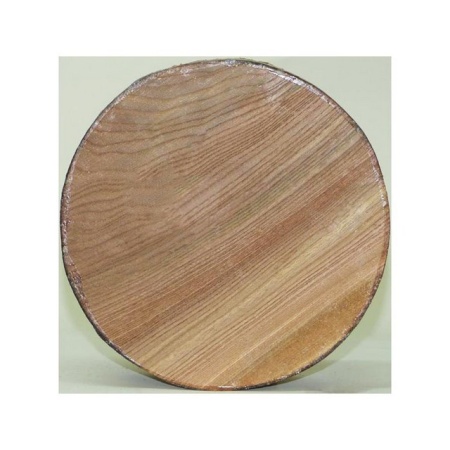

Elm, specifically English Elm, is a highly distinctive hardwood known for its beautiful, varied appearance. The heartwood is typically a pale to medium brown, with slight yellowish or reddish hues.
The grain is often irregular or interlocked, which creates a characteristic, wavy pattern that is visually striking. Elm also has a fine to medium texture, with a somewhat coarse feel. Its grain variation adds a rustic, yet refined look, making it popular for both traditional and contemporary woodworking.
Elm is moderately dense and durable, but it’s relatively easy to work with compared to other hardwoods. It turns well on the lathe, with the irregular grain often producing interesting visual effects when turned.
The wood is fairly stable, though it can have some tendency to tear out along the grain, especially if the tools are dull. Sharp tools and proper lathe speeds help reduce this issue. Elm sands and finishes well, taking oil and lacquer easily. It’s a good choice for projects that require a durable, workable material with unique visual appeal, such as bowls, handles, and furniture components.
Top Features of Elm (Ulmus procera):
-
Pale to medium brown color with yellowish or reddish undertones.
-
Irregular to interlocked grain, creating a wavy, visually interesting pattern.
-
Fine to medium texture, with a slightly coarse feel.
-
Moderately dense and durable, making it stable for various projects.
-
Turns well on the lathe, offering a unique visual effect when worked.
-
Sands and finishes well, accepting oils and lacquers to enhance appearance.
-
Ideal for rustic, yet refined projects, including bowls, furniture, and handles.




hall (verified owner) –
all good
davewillhotmailcouk (verified owner) –
First time working with Elm, seems atable and has a modest grain
AndyNicholas (verified owner) –
Bowl blanks are always top quality from Yandles. Well seasoned, no cracks, nothing to complain about!