

 FREE! Intrinsic Colour Collection Blending Wheel Guide
The Intrinsic Colours Collection
A range of water-based dyes for bringing colour into your turning. Intrinsic Colours are built to penetrate, to layer, and to mix, so you’re never stuck with what’s in the bottle. Each colour stands on its own, but the real fun starts when you begin blending and thinning to find shades that are yours. The eleven intrinsic colours are below, and the practical details, how to apply them, clean up, store and use them safely, follow underneath and apply across the whole collection.
Lightfast? No colour is 100% lightfast. They will all fade in time. The pigment manufacturer has given me assurance that they are light fast for at least as long as a normal household paint. To increase the lightfastness, use the Danish Oil which has an added UV filter to ensure the longest possible fade-free lifetime.
Intrinsic Colour Guide:
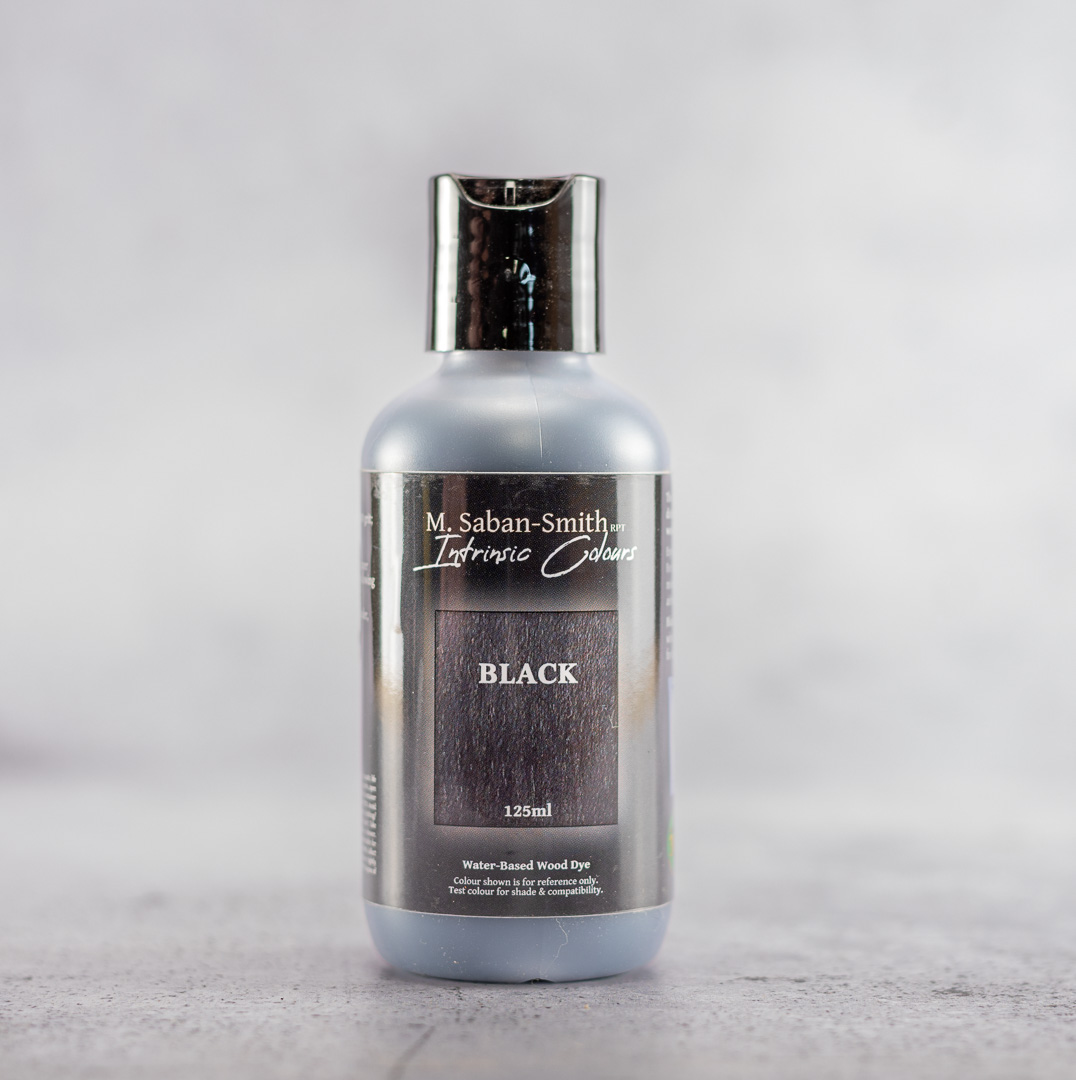
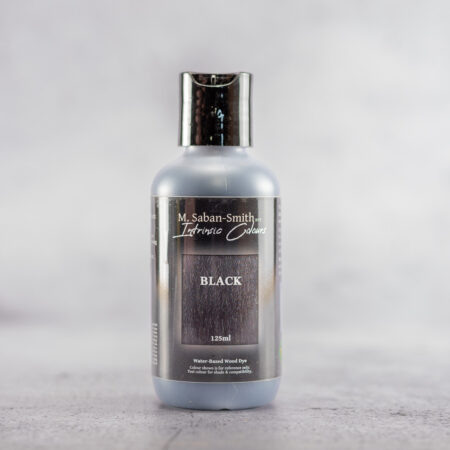
Black
A deep, penetrating black that earns its place two ways. On its own it makes a strong base coat, particularly when you sand it back to let texture and grain come through. It’s also the colour I reach for to deepen and knock back the other shades in the collection. Layer it for dense darkness, thin it with water for softer greys, or mix a little in to take the edge off a brighter tone.
Burnt Orange
A warm, earthy orange that leans towards terracotta. It sits beautifully alongside Honey, Flame and Ruby, and it builds real depth over several coats. Thin it for something softer, or blend it to mix a colour of your own.
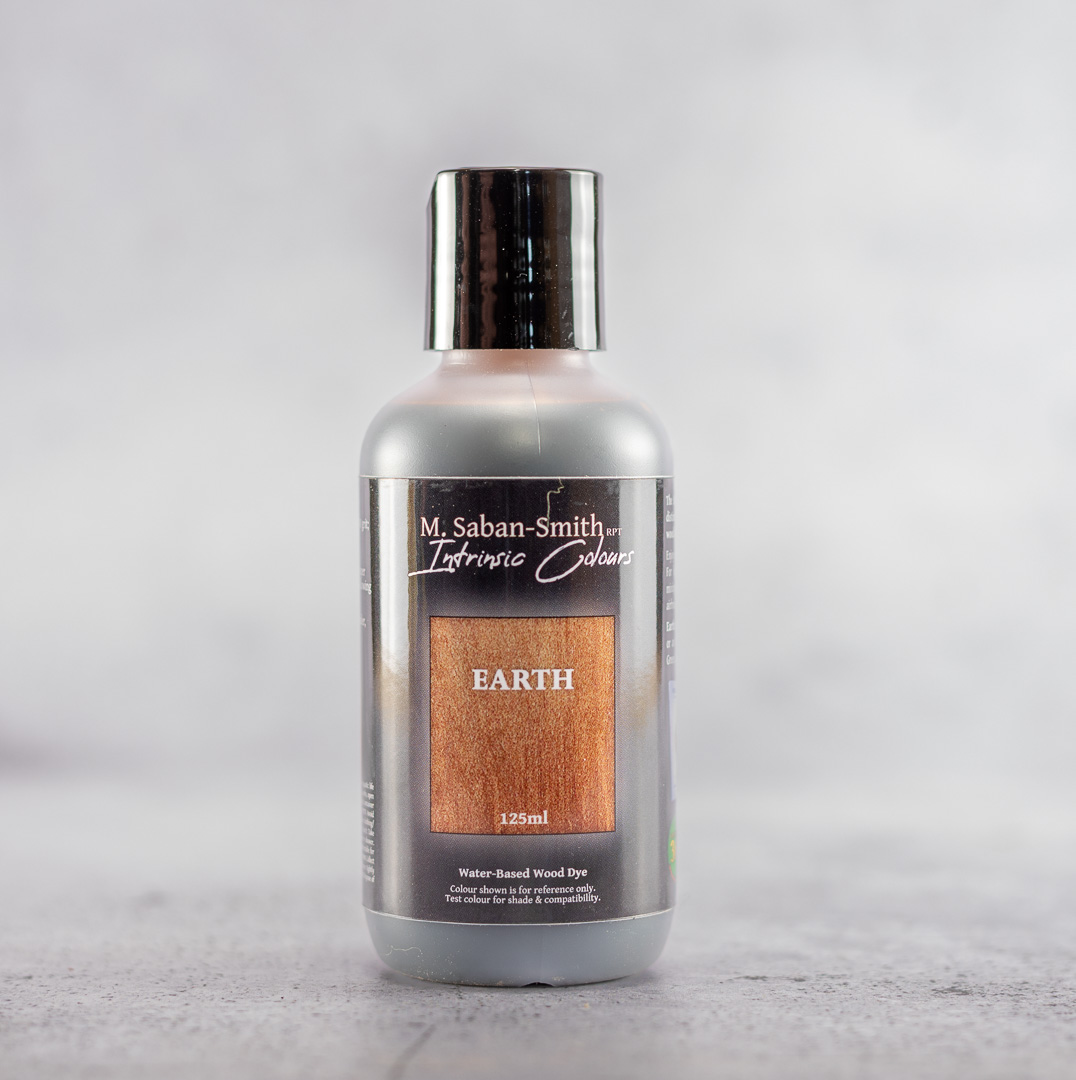
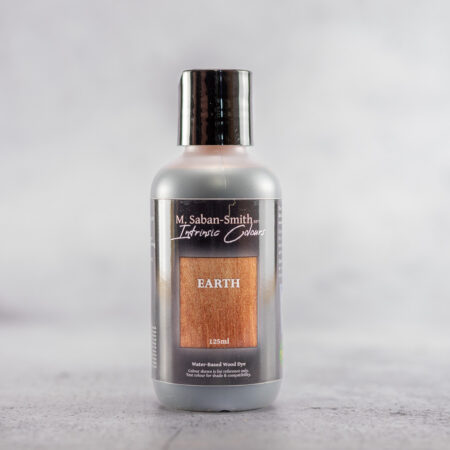
Earth
A mellow, warm brown, somewhere around the colour of a conker. It works nicely as an undercoat or a quiet highlight, and it blends naturally with Forest Green, Pear Green and Honey. Mix it, thin it, layer it. It’s an obliging colour to have on the bench.
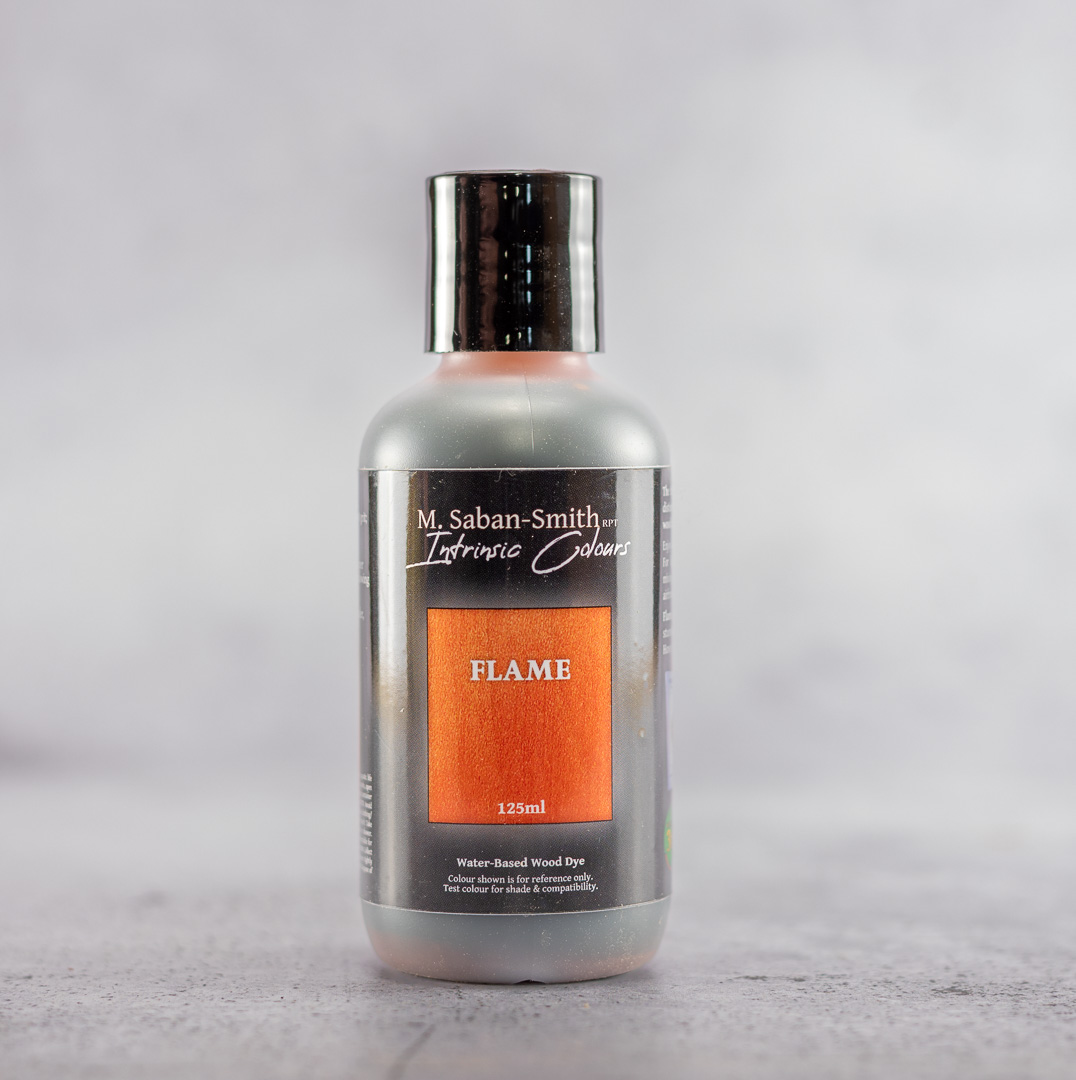
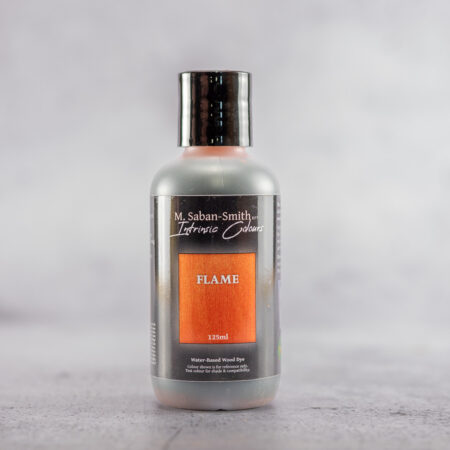
Flame
A vivid, fiery orange with plenty of energy in it. Build it up in layers for a bold, sunset glow, or dilute it for something gentler. This is the one I reach for when a piece is asking for warmth.
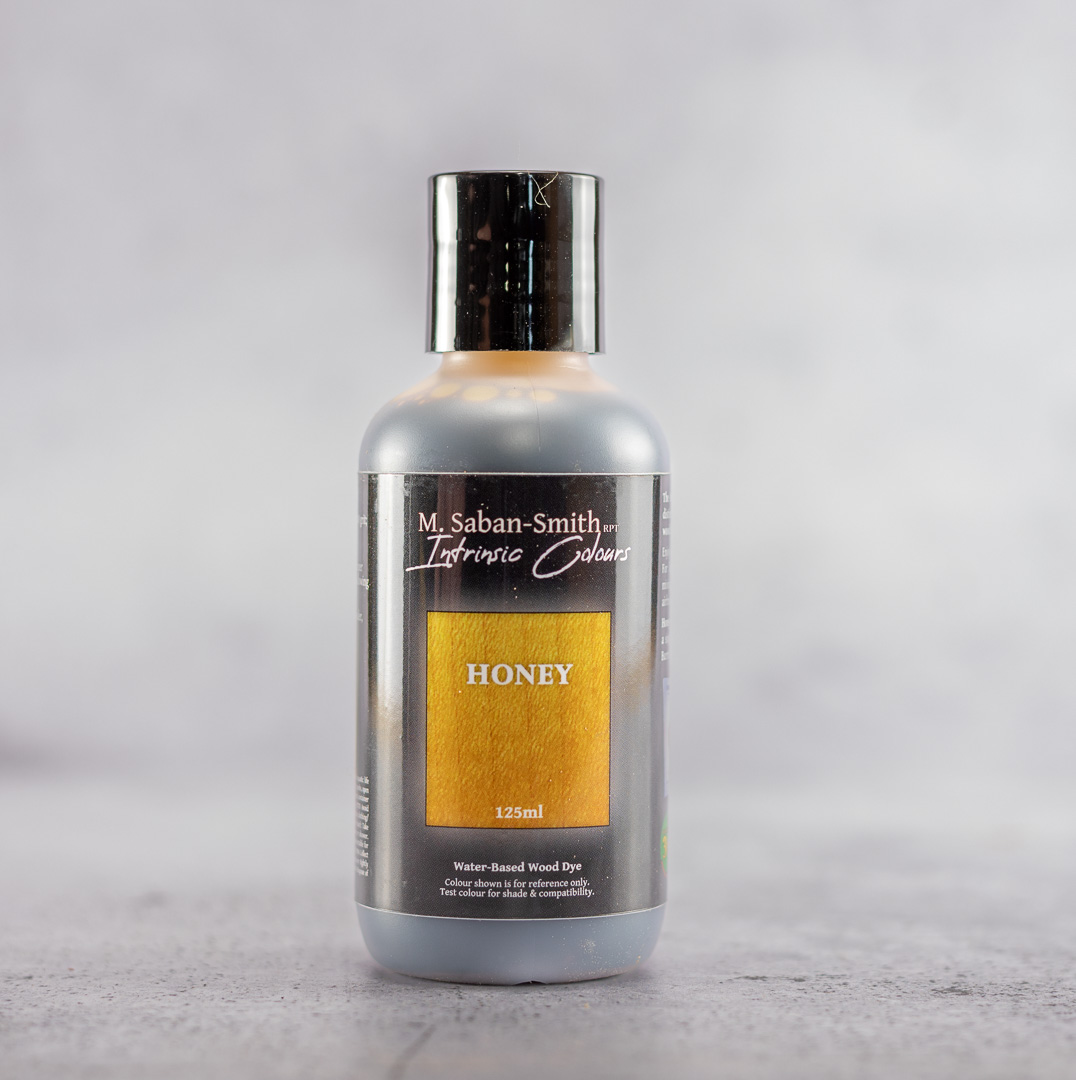
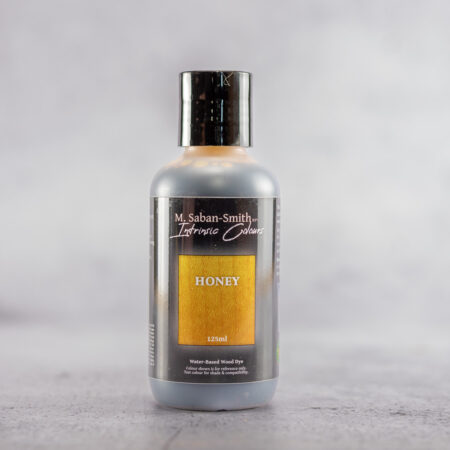
Honey
A bright, cheerful yellow with real life to it. Lovely on its own, and it mixes happily with Flame, Burnt Orange and Ruby. Layer it for depth, or thin it for a softer, golden wash.
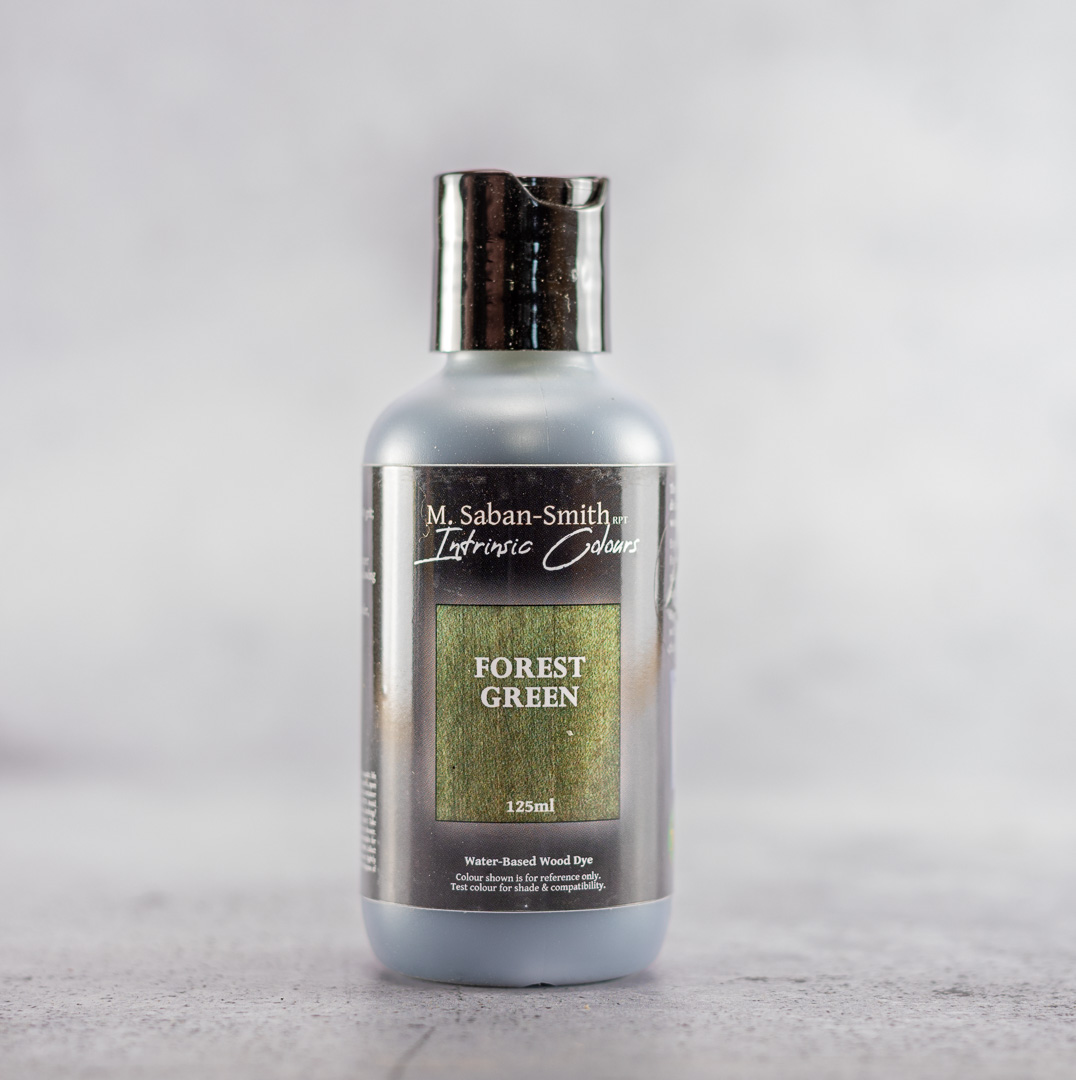
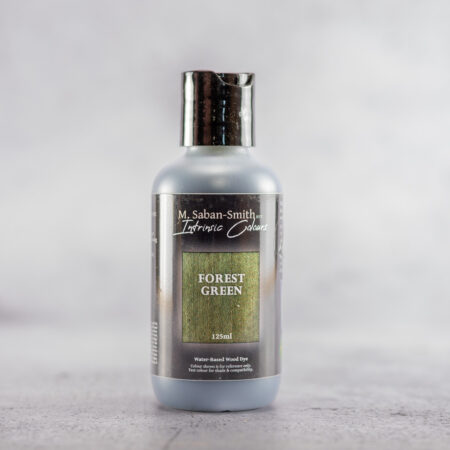
Forest Green
A deep green with something of jade about it. It carries genuine depth and sits naturally with straw tones and Honey for a balanced, earthy palette. Build it in coats for intensity, or thin it back for lighter greens.
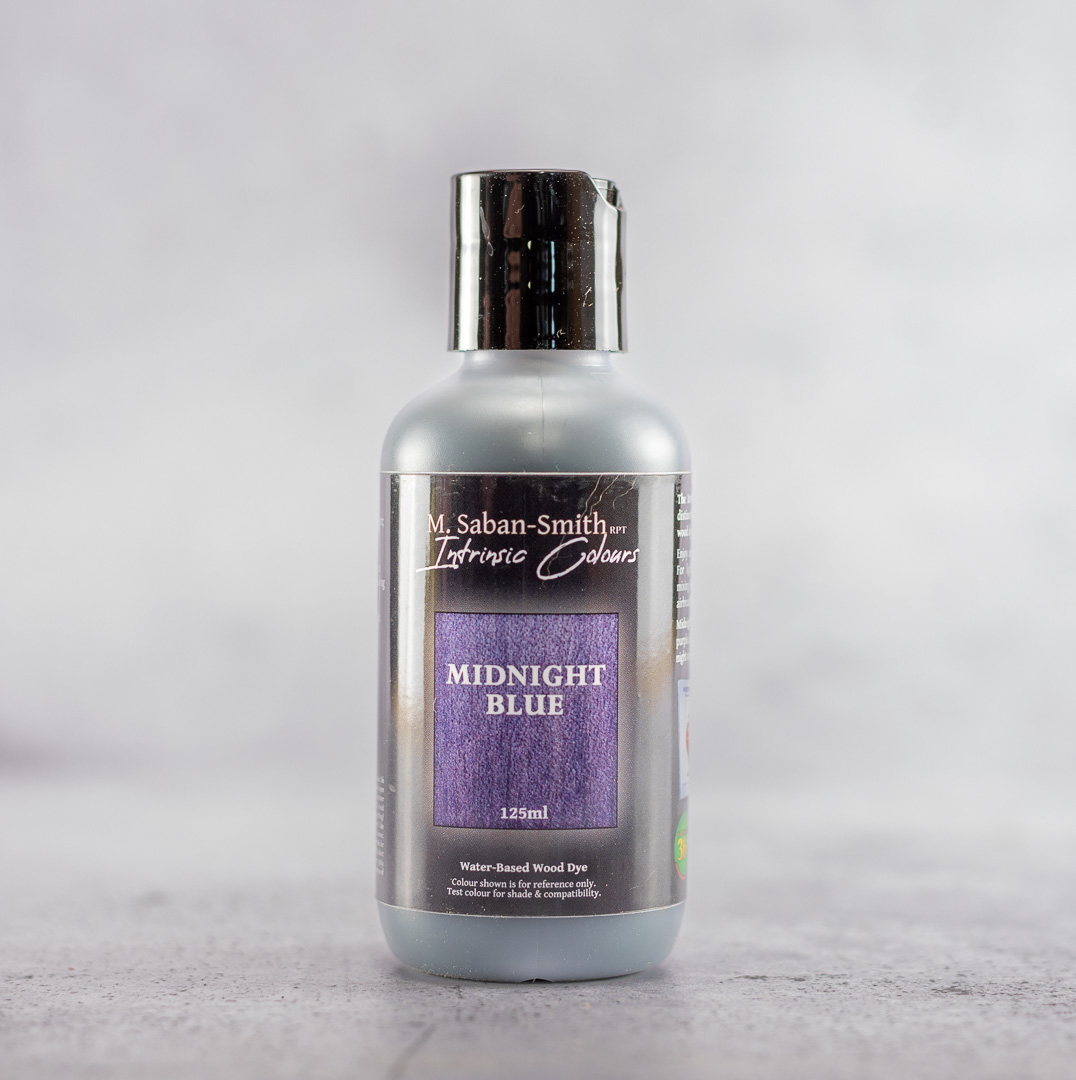
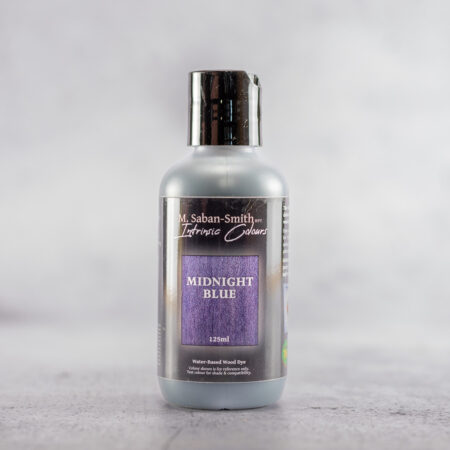
Midnight Blue
A deep blue with a hint of purple running through it. It does wonderful things on figured timber, drawing the eye down into quilted and rippled grain. Use it on its own, or mix it with Plum and Sky Blue for proper night-sky tones. A little water softens it.
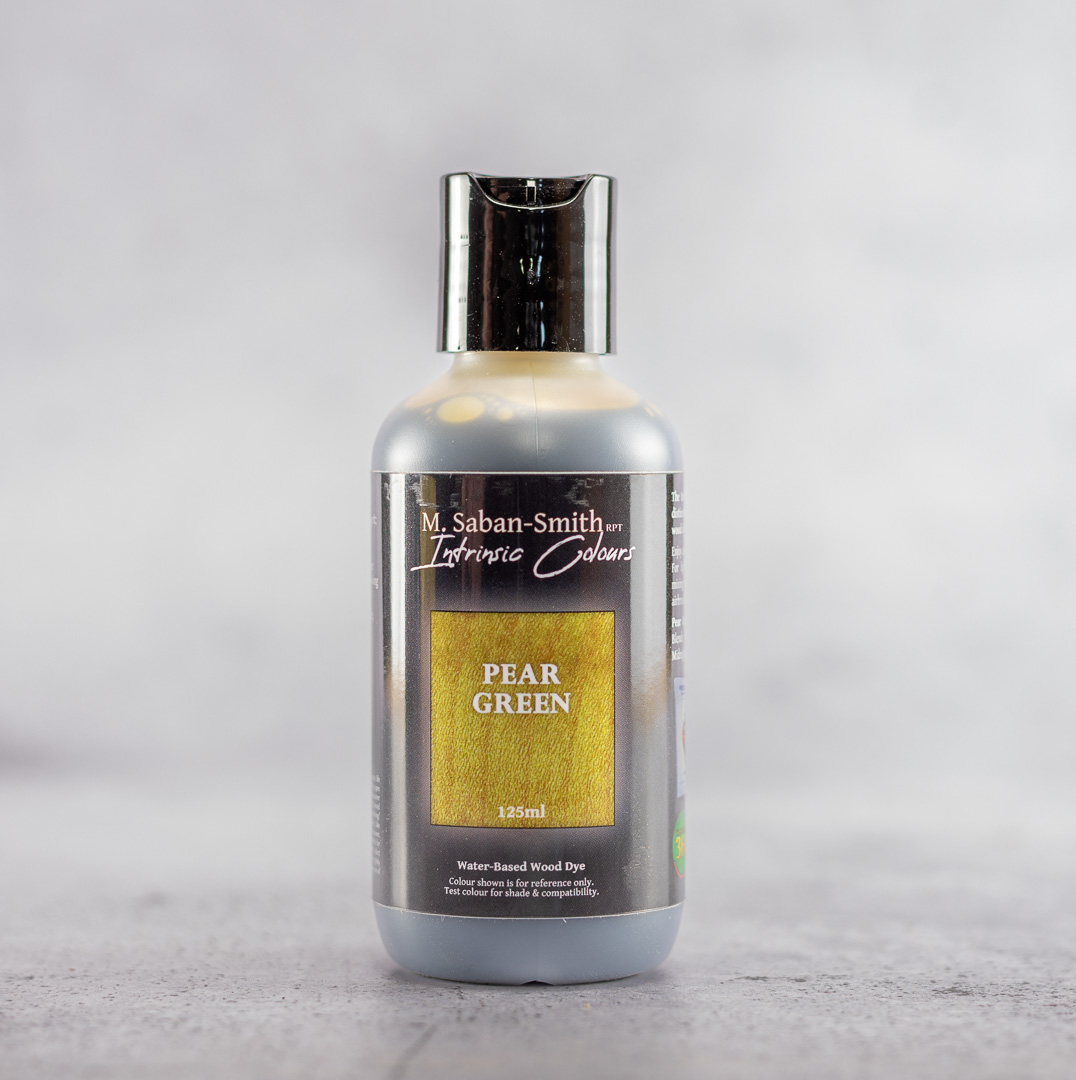
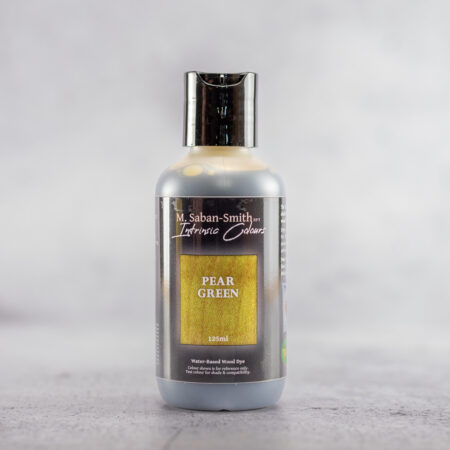
Pear Green
A fresh green-yellow that sits comfortably between the two. It complements the deeper blues, works well with Honey, and blended with Forest Green it gives you a lovely earthy range. A single coat already has good depth; thin it down for something softer.
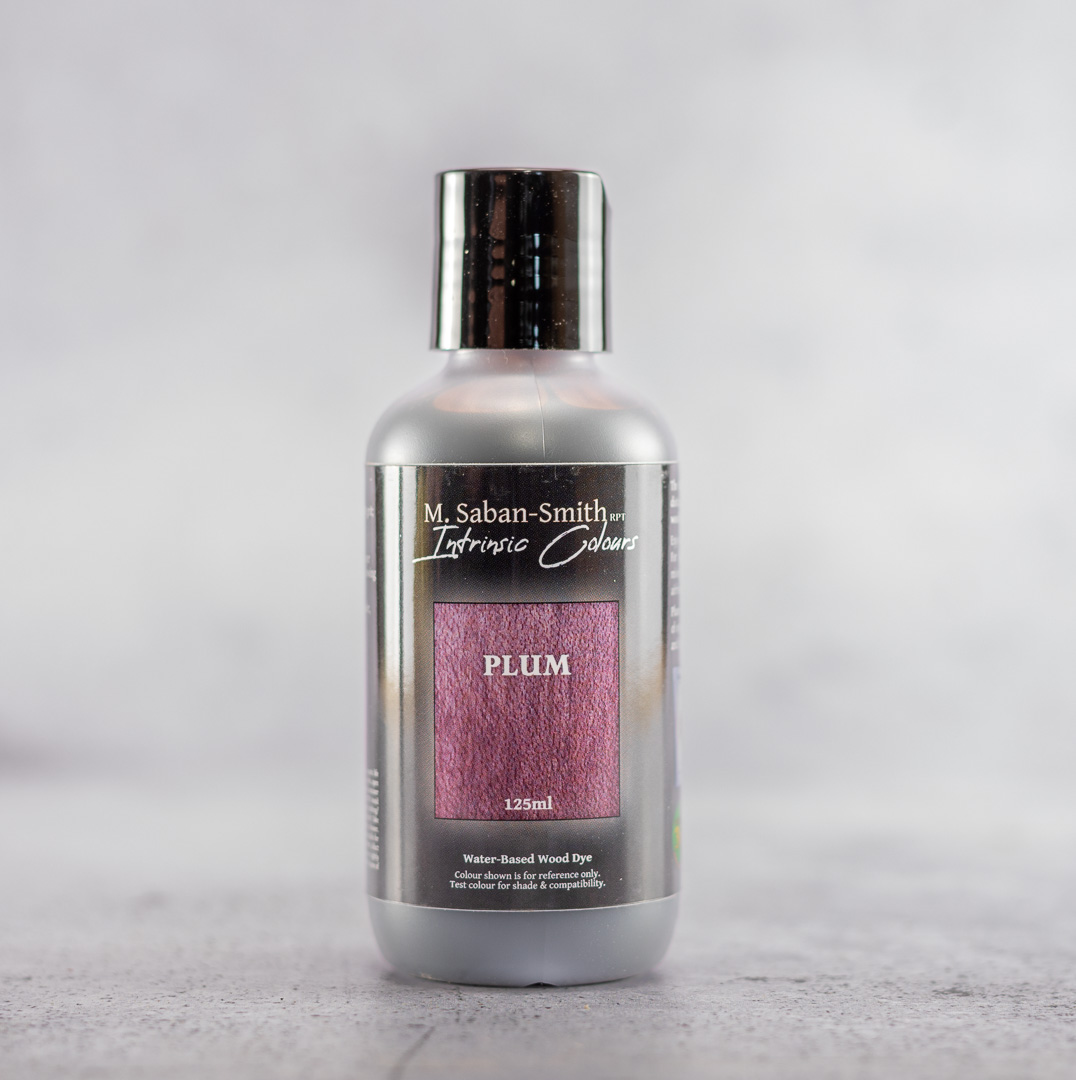
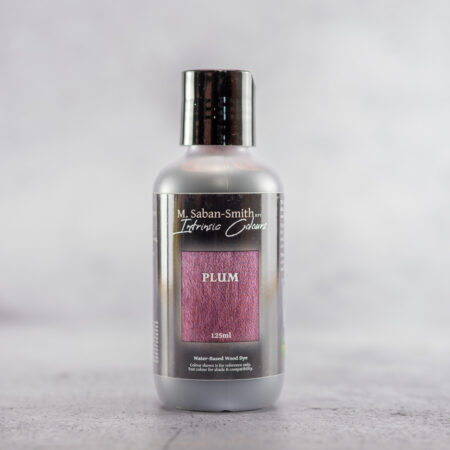
Plum
A rich, deep purple that brings a touch of the regal without shouting about it. It penetrates well for real depth of colour, and you can hold it back to a subtle hint or build it up to something vivid. Thin and mix to find your shade.
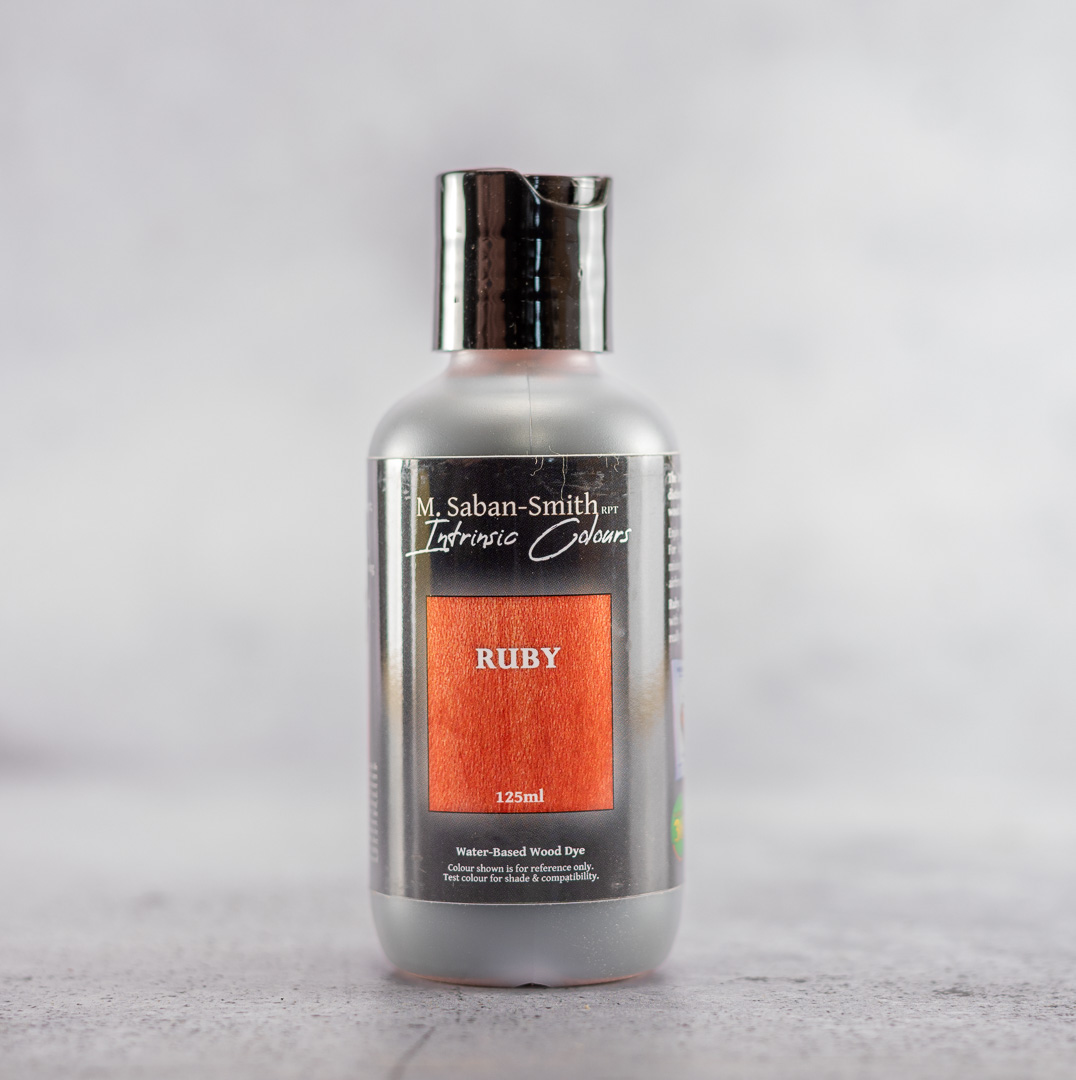
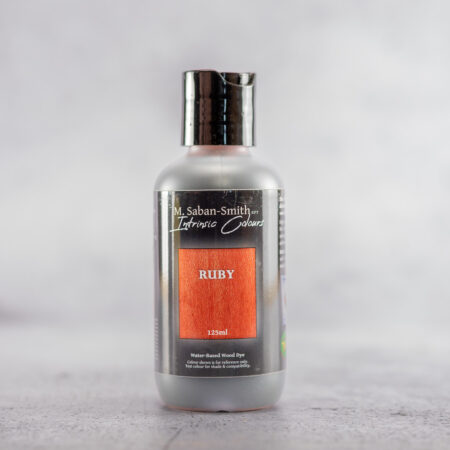
Ruby
A rich, warm red that makes a statement. It blends beautifully with Burnt Orange, Flame and Honey. It’s a strong colour, so I’d give it at least two coats for full vibrancy, then layer or thin from there.
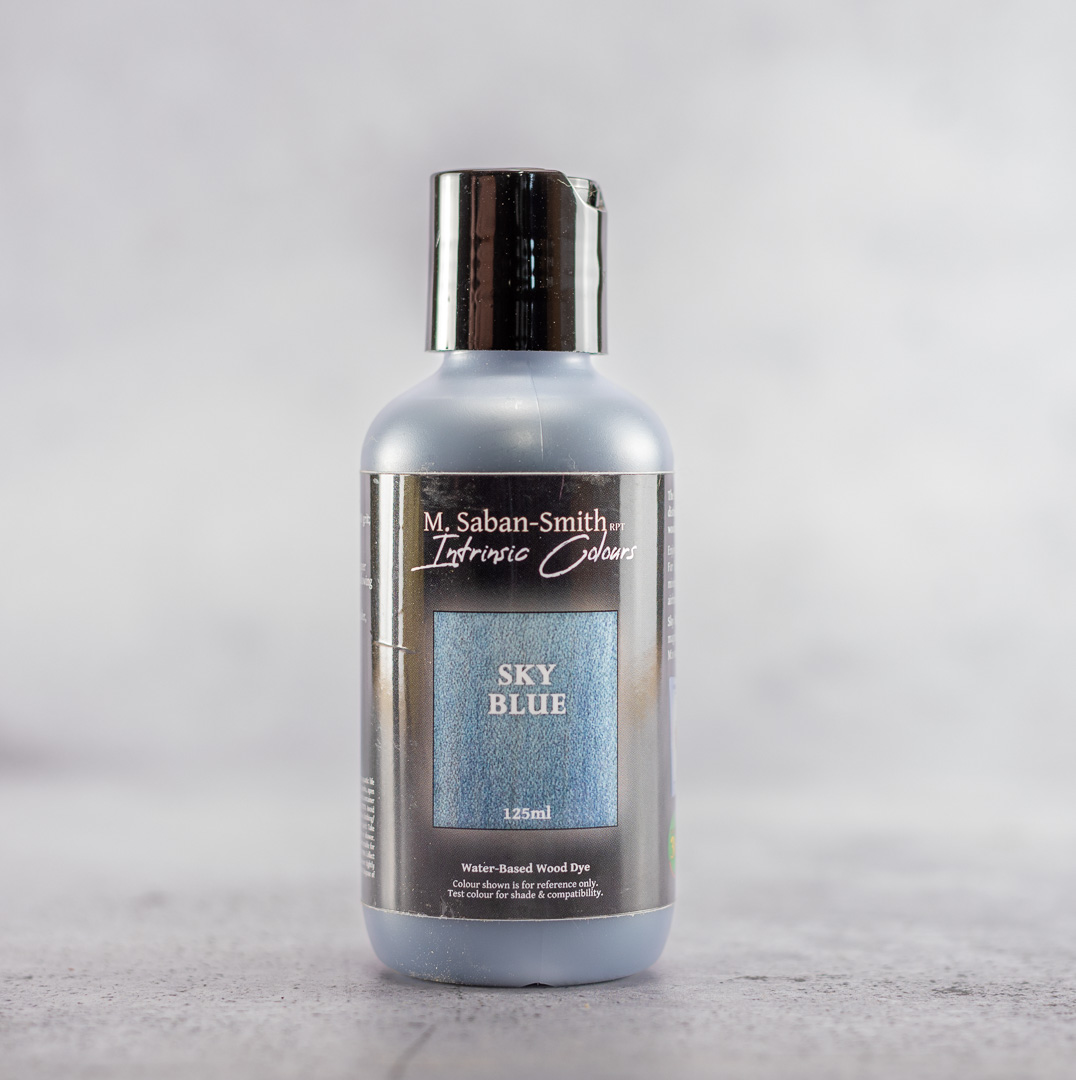
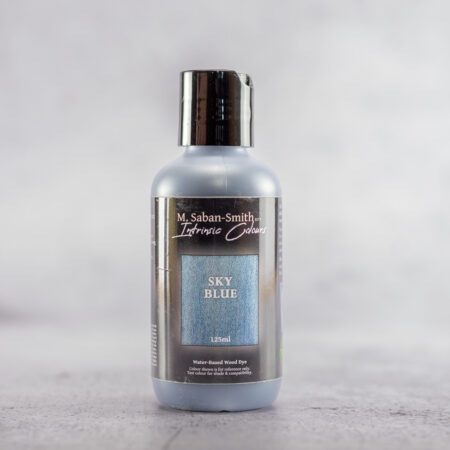
Sky Blue
A clean, saturated blue that sinks in deep for a vivid, lively tone. Build it in layers for richer colour, or thin it for a softer, airier feel.
Using the Intrinsic Colours Collection
Application
- Sand your work cleanly to at least 400 grit.
- Apply at least two coats by cloth, paper towel, brush, airbrush or whatever suits, letting it dry thoroughly between coats.
- Optional: apply your oil and allow it to cure.
- Seal the wood with an appropriate sealer and let it dry thoroughly. I’d recommend the wipe-on Cellulose Sanding Sealer or a cellulose spray sealer.
- Lightly cut the sealer back.
- Apply your preferred finish.
Uses: For colouring decorative woodturning and other woodwork. One thing worth saying plainly: these are dyes, not paints. They carry a translucency, so the natural colour of the wood underneath will always have a say in the final result. For the brightest, truest colours, work on pale timbers like sycamore, maple or ash. On darker woods the results will shift, sometimes in interesting ways worth exploring.
Application Methods: Happy to go on by hand with paper towel or cloth, by brush, through an airbrush, or most other methods you care to try.
Clean-Up: Use methylated spirits (denatured alcohol) or isopropyl alcohol for spills and hands. Fair warning, it will dye your skin for a few days, so wear gloves. For brushes and airbrushes, use meths, isopropyl alcohol or airbrush cleaner.
Colour and Aroma: Deep and concentrated in the bottle. The true colour comes through once it’s on the wood, and how it reads will depend on the timber underneath. No noticeable aroma.
Container and Storage: Supplied in a recycled 125ml Boston bottle. Store in a cool, dry place, ideally between 10° and 30°C (50° and 90°F) where possible. Protect from extreme heat and freezing, and keep out of direct sunlight.
Longevity: Stored according to instructions, these will keep more or less indefinitely.



SteveWatson (verified owner) –
Beautiful forest green water dye,
IanChappell (verified owner) –
A great colouring system
Colinroberts (verified owner) –
These paints are amazimng once you get the consistency right between the paint and flow medium the colours are stunning I will be ordering more If you have thought about getting some but arnt sure GO FOR IT you wont be dissapointed
Tamara (verified owner) –
Amazing dye brand. Colours very well, Fast shipping and very good customer service! I have purchased multiple orders and was very happy with every order!